The journey of a major film no longer ends when it leaves cinema screens. For a production as ambitious as Ramayana: Part One, the next phase could be just as significant as its theatrical debut, with a new digital distribution model offering both commercial opportunity and a challenge that the entertainment industry has struggled to contain for years.
Prime Focus Studios and JioHotstar have partnered to bring the film to Indian audiences through a pay-per-view offering after its exclusive theatrical run. Unlike a conventional streaming release included in an existing subscription, this arrangement will allow viewers to purchase access to the film separately. The worldwide theatrical release is scheduled for November 5, 2026, including screenings in IMAX 3D. The digital release date and purchase price remain unannounced.
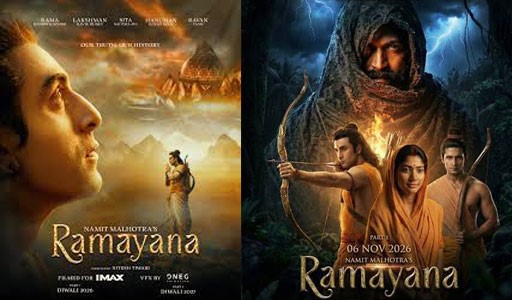
Directed by Nitesh Tiwari, Ramayana: Part One adapts the epic associated with Valmiki for a large-scale live-action production. Ranbir Kapoor plays Lord Rama, Sai Pallavi portrays Sita, and Yash appears as Ravana. Sunny Deol and Ravie Dubey are also part of the principal cast. The film is produced by Prime Focus Studios in association with DNEG and Monster Mind Creations, with music by A. R. Rahman and Hans Zimmer.
The pay-per-view approach addresses a practical problem in film distribution: a theatrical release cannot reach every potential viewer. Cinema access varies by location, screen availability, ticket affordability and personal circumstances. A separate digital purchase could give audiences another route to watch the film while creating an additional revenue window for its makers.
The model also gives distributors a way to distinguish a premium title from the broader catalogue available through a monthly subscription. For a film built around an epic narrative and a large-scale visual presentation, some viewers may be willing to pay separately for convenient home access. Whether that willingness translates into meaningful revenue will depend on the eventual price, the quality of the digital presentation and the gap between the cinema and streaming releases.
Piracy, however, could undermine the strategy. High-profile releases attract demand from viewers who may not want to pay the official price, and unauthorised copies can circulate through illegal websites, messaging groups and file-sharing networks. A leak during the paid digital window could weaken legitimate purchases precisely when the producers are trying to monetise audience interest.
Preventing that outcome requires more than removing links after a leak occurs. Platforms and rights holders need layered digital-rights management, account and device controls, rapid detection of illegal uploads, coordinated takedown procedures and monitoring for unauthorised redistribution. These measures cannot eliminate piracy entirely, but they can reduce the time illicit copies remain accessible. Convenient payment, reasonable pricing and reliable playback are also important because legitimate access must compete with the ease of illegal alternatives.
The timing of the digital release will matter as well. A very short theatrical window could frustrate cinema exhibitors, while a long delay might leave online demand vulnerable to piracy. The producers and platform must balance theatrical exclusivity with the desire to reach audiences who cannot attend screenings.
For JioHotstar, Ramayana: Part One could become a significant test of whether individual film purchases can complement subscription-based streaming in India. For the makers, the opportunity is to extend the film’s commercial life without weakening its theatrical value. The success of this approach will depend not only on audience enthusiasm, but also on pricing, distribution discipline and the ability to protect the official viewing experience.