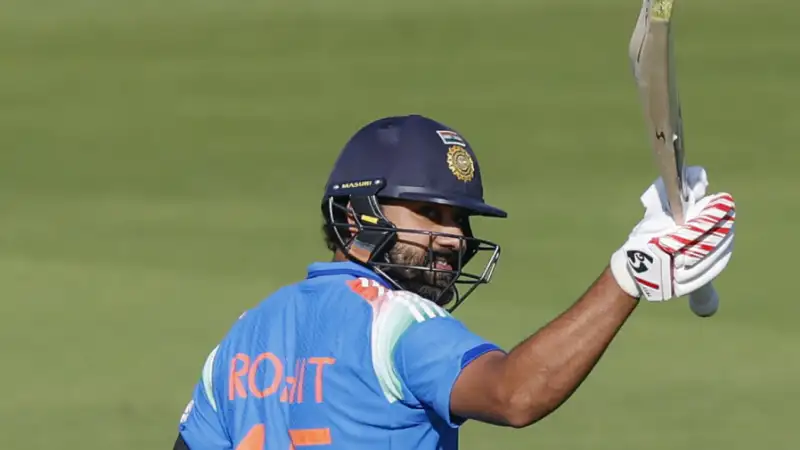
A return to international cricket often brings anticipation, but Rohit Sharma’s latest ODI appearance ended before he could settle at the crease. The Indian batter was dismissed for a duck in the opening over against New Zealand, with fast bowler Kyle Jamieson claiming the early breakthrough. The dismissal made an otherwise eagerly awaited return a brief outing and immediately shifted attention towards the challenge facing India at the top of the order.
Rohit’s presence in the ODI format carries significance because of his experience and established role as an attacking opening batter. Over the years, he has built a reputation for combining calculated starts with the ability to accelerate dramatically once he reads the conditions. His return was therefore an opportunity for India to draw on that experience, but the early dismissal prevented him from influencing the innings.
Jamieson’s breakthrough also highlighted the importance of the opening exchanges in one-day cricket. The new ball can offer fast bowlers movement through the air and assistance from the pitch, particularly before batters become comfortable with the conditions. A tall bowler such as Jamieson can create additional challenges through bounce and angle, making the first few deliveries a demanding examination of technique and judgement.
For an opening batter, the initial phase is not simply about scoring runs. It involves assessing the pace of the surface, identifying movement, judging which deliveries can be left alone and deciding when to attack. An early wicket can result from a small technical or tactical error, but the available information does not establish the precise circumstances behind Rohit’s dismissal. The delivery and shot details would be necessary for a more specific assessment.
A duck in a comeback match can attract considerable attention, especially when it involves a player of Rohit’s stature. However, one innings offers limited evidence about a batter’s current form or readiness. ODI cricket is a format in which players must adapt across different conditions and match situations, and experienced batters are often judged over a sequence of performances rather than a single appearance.
India will also need contributions from its other top-order players when an established opener departs early. Losing a wicket in the opening over can affect the batting plan, placing additional responsibility on the incoming batter to rebuild while ensuring that the scoring rate does not fall too far behind. The response of the middle order becomes particularly important in preventing an early setback from developing into a larger problem.
For Rohit, the focus will now be on how he responds in subsequent opportunities. His experience, understanding of ODI tempo and ability to score quickly remain important strengths, but consistency at the start of an innings is essential for an opener. The comeback may not have produced the start supporters expected, yet it is too early to draw broader conclusions from one dismissal.
The contest against New Zealand has once again underlined how quickly the balance of a one-day innings can change. Rohit’s return was a major talking point before the match, but Jamieson’s early success ensured that the opening over became the immediate focus. The batter’s response in his next ODI opportunity will provide a more meaningful indication of how this return develops.